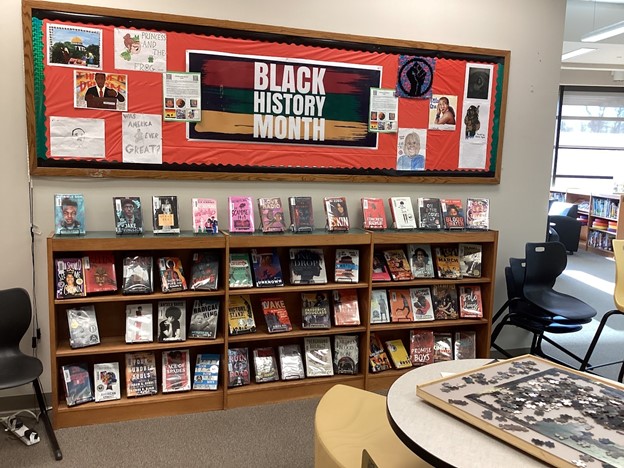
When Carter G. Woodson created Black History Month in 1926, its purpose was to make sure that the stories of what black Americans went through—and what they did—would be remembered. Woodson believed that black Americans were being left out of textbooks, and he wanted to make sure that they would be included in the picture to ensure that their achievements and their legacy were studied seriously. The month of the celebration happens in February, but there’s a reason for it. That month was chosen because it included the birthdays of Abraham Lincoln and Frederick Douglass, who played pivotal roles in ending slavery.
Black History Month was officially recognized at the national level in 1976. President Gerald Ford urged Americans to celebrate it in the U.S. Bicentennial. Additionally, 1987 was a noteworthy year, as it coincided with the 150th anniversary of Caribbean emancipation from slavery. October plays a role that few know about: it’s the month when the African harvest season repeats with the promise of abundance. Black History Month has since expanded from the United States and the United Kingdom to Canada, the Caribbean, and Germany.
The month began as a way to recognize the success and achievements of African Americans, but because it wasn’t getting enough notice, anti-racism movements like Black Lives Matter have inspired people to utilize the month to raise awareness of society’s burning injustices.
In an ideal world, black history would not be sidelined, misrepresented, and ignored, and the month wouldn’t be needed to mark its significance. Sadly, in a contemporary context, many people overlook this important celebration, which means disregarding the huge contributions of black people, which have positively shaped society. These contributions should be remembered, not only in the black community but also among other sources like schools, history books, and museums.
Since we’ve discovered the primary purpose of Black History Month, I decided to ask one of the morning announcers, Mikayla Graziano, who is also the captain of the Speech Team, whether she thinks that Black History Month is still important today. Why or why not?
Graziano said, “Yes, because even though like people accept different races now I think its still important to highlight Black History Month [and the people] who helped progress America further and help advocate.”
This month, for black Americans, is more than just a celebration. It is a reminder. We may all wish for no one to be judged by the color of their skin, but until that dream becomes reality, this month stands as both recognition and resistance. This month is a major part of American history and deserves to be recognized as such.