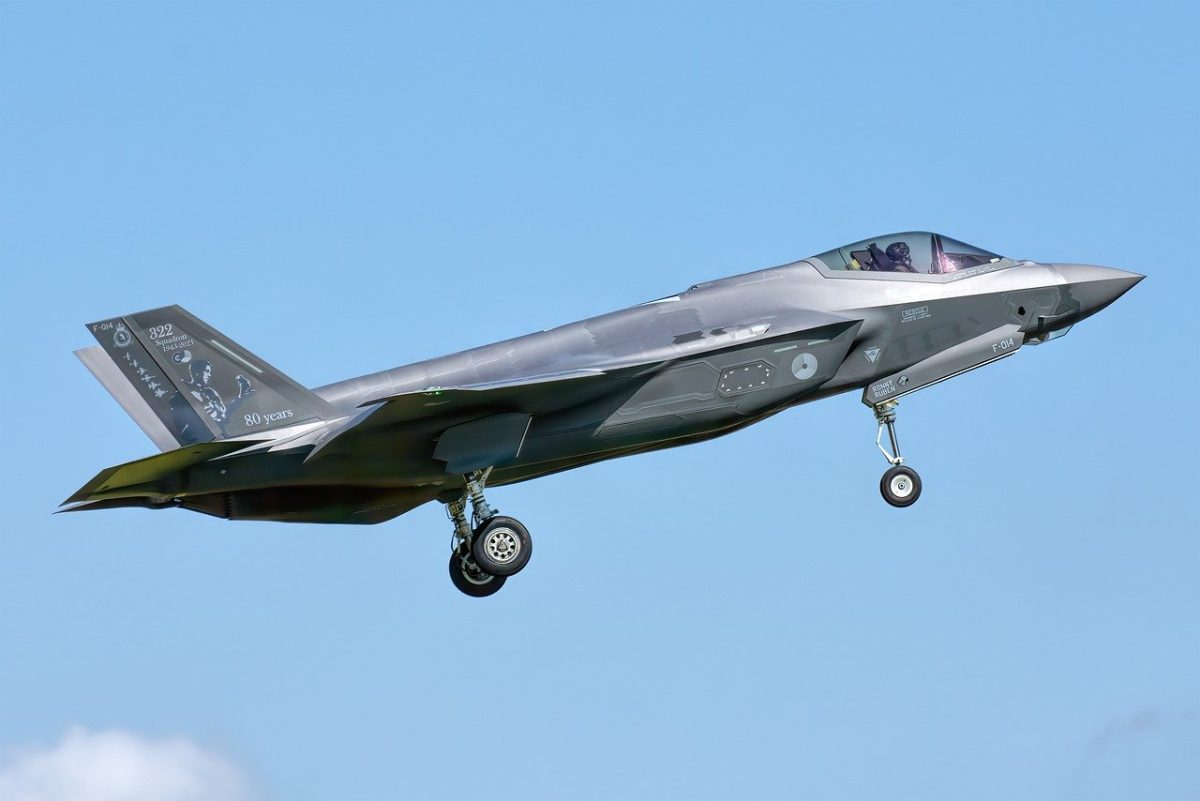
On November 18, 2025, President Trump welcomed the authoritarian leader Muhammed bin Salman (MbS), Crown Prince of Saudi Arabia, to the White House. MbS is linked to abuses of human rights, suppression of the press, and the murder of journalist Jamal Khashoggi. Trump met with MbS to discuss and announce several key agreements, including a major defense and energy partnership, which includes the sale of F-35 fighter jets and nearly 300 American tanks to the Saudis; a plan to increase Saudi investment in the United States; and the designation of Saudi Arabia as a major non-NATO ally of the United States. Although these developments may all seem positive, Donald Trump’s growing admiration of Muhammad bin Salman and his eagerness to strengthen the ties between the Saudis and the Americans poses more significant risks that may outweigh the potential benefits.
Muhammed bin Salman is known to be an abuser of human rights. For example, MbS is widely seen as responsible for the policies and actions taken to displace—forcibly—about 20,000 members of the Huwaitat tribe in order to clear land for the NEOM megacity project. The Huwaitat tribe understandably protested and resisted the Saudi security forces’ crackdown, considering that they had inhabited the Tabuk region of Saudi Arabia for many centuries prior to the creation of this megacity project. According to ALQST, as a result of these protests, the Saudi security forces led by MbS arrested at least 47 members of the tribe and sentenced at least 15 members to prison sentences over 15 years. To displace a community from their homeland and then to arrest and kill those who protest is a clear violation of human rights.
Another example of violations of human rights is the 2017 Saudi purge. MbS led his anti-corruption committee to arrest numerous princes, government ministers, and business people while also freezing thousands of domestic accounts and assets to centralize political power in his own hands. He also led a broader campaign, at the time directed by the “Tiger Squad,” to assassinate dissidents using poisonings, house fires, and staged accidents, hoping to keep the activity under the radar. The president definitely knows about the human rights abuses MbS has committed. However, he still acts as if Muhammed bin Salman is a friend, giving him a warm welcoming ceremony, a fancy dinner, and an excited grasp of the hand. Trump even stuck his tongue out in joy for him, biting his own lip at times. Trump’s decision to provide a warm welcome to an abuser of human rights underlines the horrible actions that he has taken and opens the door for leaders such as MbS to continue to abuse human rights with neither consequences nor condemnation.
Secondly, Mohammed bin Salman is not a believer in freedom of the press. MbS frequently engages in operations to silence dissenters and those who are critical of the Saudi regime. For example, according to the Central Intelligence Agency, in 2018, MbS ordered the assassination of Saudi dissenter and journalist Jamal Khashoggi in Istanbul, Türkiye. His body was dismembered and disposed of in ways unknown to the public. Instead of supporting the CIA’s assessment, President Trump disputed it, expressed support for MbS, and said Khashoggi was “extremely controversial,” adding, “a lot of people didn’t like that gentleman.” He later said, “Things happen,” which minimizes the killing and makes it seem as if it isn’t a big deal.
Lastly, the sale of military technologies such as F-35 fighter jets and American-made tanks to the Saudis poses greater risks than benefits. First of all, the partnership between Saudi Arabia and China continues to deepen in defense and tech areas, and while the sale of military technologies to Saudi Arabia makes the United States a lot of money, it risks letting China gain access via a backchannel to the most advanced stealth and sensor technologies in the world—effectively doing an end-around on the United States. China could end up using information on these technologies to improve its next-generation aircraft, and thus the F-35 would lose its global superiority. If Donald Trump doesn’t establish special clauses on the sale of F-35s to the Saudis and prevent this from happening, the consequences will outweigh the benefits.
In conclusion, the deals and partnerships established between the United States and Saudi Arabia during the meeting on November 18 may bring short-term and long-term benefits. For example, the United States may receive about $5 billion dollars from the sale of F-35s to the Saudis, and it could make billions more from the planned $1 trillion dollars in Saudi investment in the United States in various sectors, such as AI and nuclear energy. But just because there are billions of dollars to be made, we cannot ignore the fact that the President is treating a human rights abuser as a friend, and he is condoning the cruel actions that MbS has taken. Donald Trump and the United States cannot continue to open their arms to offer a warm welcome to vicious authoritarian rulers.